



The constantly growing list of books I want to read. Some or all of these might end up being horrible. Presence on this list does not constitute an endorsement.
(summaries taken from book shops or wikipedia)

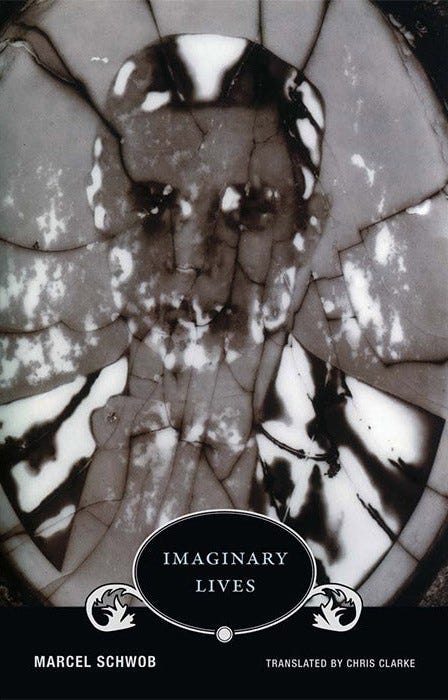
Imaginary Lives — by Marcel Schwob
A collection of twenty-two semi-biographical short stories by Marcel Schwob, first published in book form in 1896. Mixing known and fantastical elements, it was one of the first works in the genre of biographical fiction. The book is an acknowledged influence in Jorge Luis Borges’s book A Universal History of Infamy (1935).
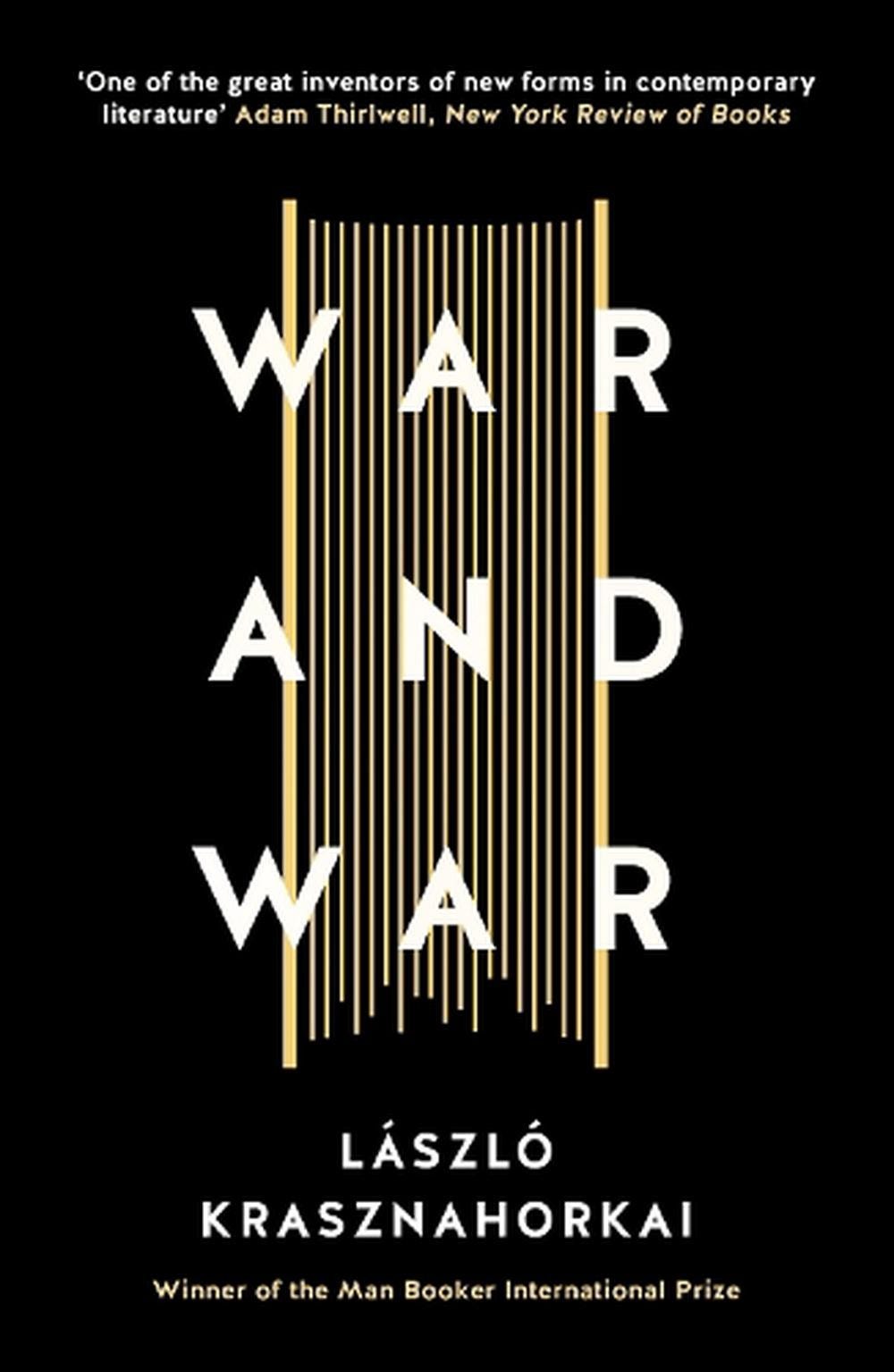
War and War — by László Krasznahorkai
A 1999 novel by the Hungarian writer László Krasznahorkai. It tells the story of a Hungarian man who is obsessed with a mysterious manuscript, which he decides to travel to New York City to write down and post on the Internet. Each chapter of this novel is written in a single sentence.
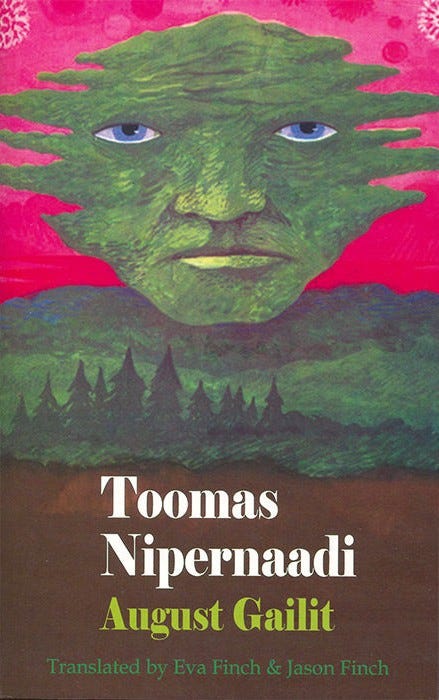
Toomas Nipernaadi — by August Gailit
Toomas Nipernaadi is the eternal wanderer. Each spring he travels into the countryside, wandering from village to village. Wherever he turns up adventure and trouble ensue. He works as a rafter, impersonates a pastor, drains swampland and becomes the master of a farm. He is full of stories and tall tales and enchants the village girls he encounters who fall in love with his elusive will-of-the-wisp character before he is gone as suddenly as he arrived. There is both a fair-tale element and a darker side to Toomas Nipernaadi who is both the hero and the villain in his own story.
First published in 1928 Toomas Nipernaadi remains one of the most popular books in Estonia. It has been widely translated and made into a successful film.
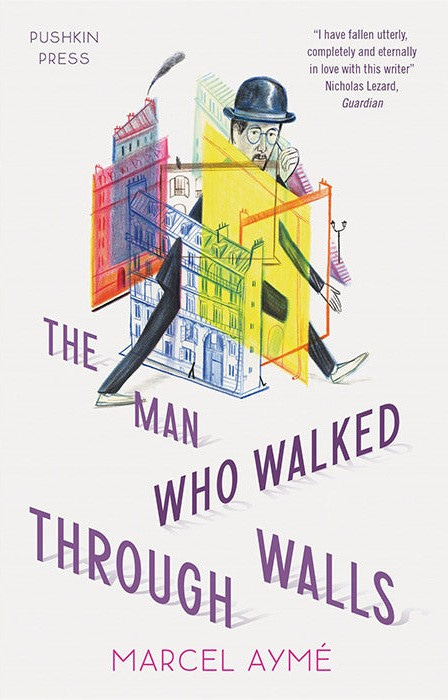
The Man Who Walked Through Walls — by Marcel Aymé
The excellent Monsieur Dutilleul has always been able to pass through walls, but has never seen the point of using his gift, given the general availability of doors. One day, however, his tyrannical boss drives him to desperate, creative measures – he develops a taste for intramural travel and becomes something of a super-villain. How will the unassuming clerk adjust to a glamorous life of crime? Aymé’s genius lies in imagining the practical unfolding of bizarre and difficult situations. In each story, anarchic comedy is arrested by moments of pathos, only to descend into anarchy and hilarity once more…
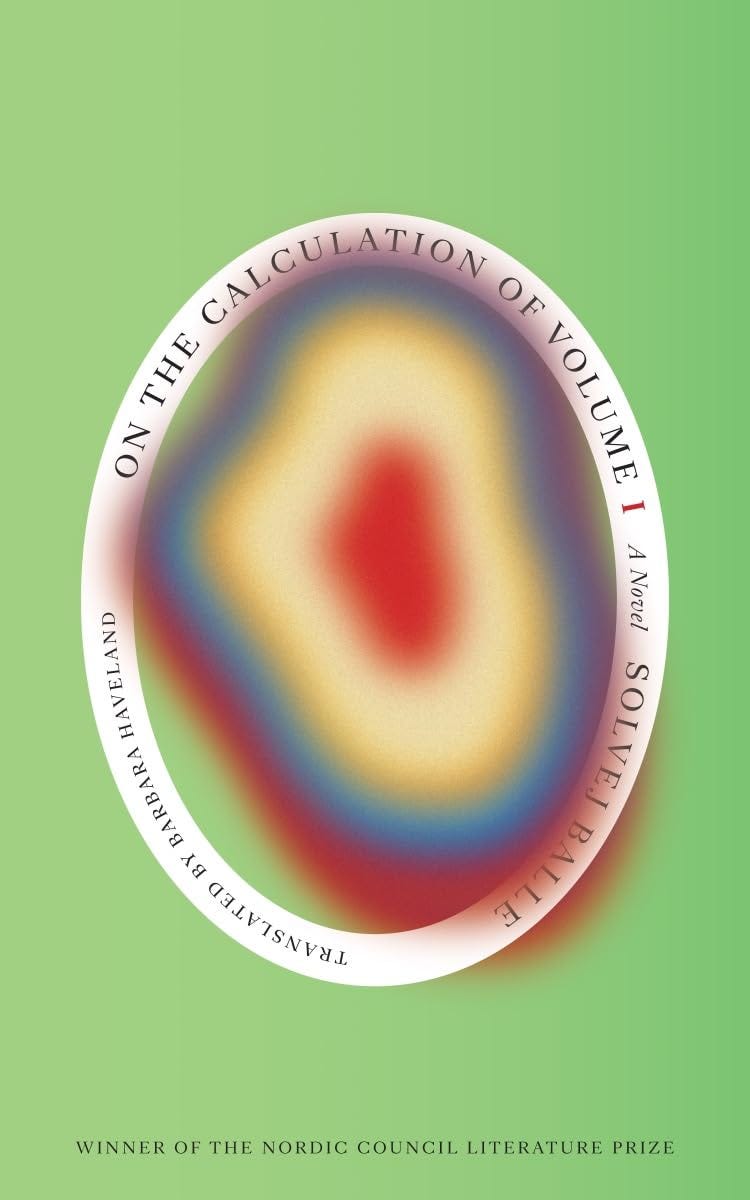
On the Calculation of Volume I — by Solvej Balle
Tara Selter, the heroine of On the Calculation of Volume, has involuntarily stepped off the train of time: in her world, November eighteenth repeats itself endlessly. We meet Tara on her 122nd November 18th: she no longer experiences the changes of days, weeks, months, or seasons. She finds herself in a lonely new reality without being able to explain why: how is it that she wakes every morning into the same day, knowing to the exact second when the blackbird will burst into song and when the rain will begin? Will she ever be able to share her new life with her beloved and now chronically befuddled husband? And on top of her profound isolation and confusion, Tara takes in with pain how slight a difference she makes in the world. (As she puts it: “That’s how little the activities of one person matter on the eighteenth of November.”)
The first in a series of seven short volumes making up a single long novel.
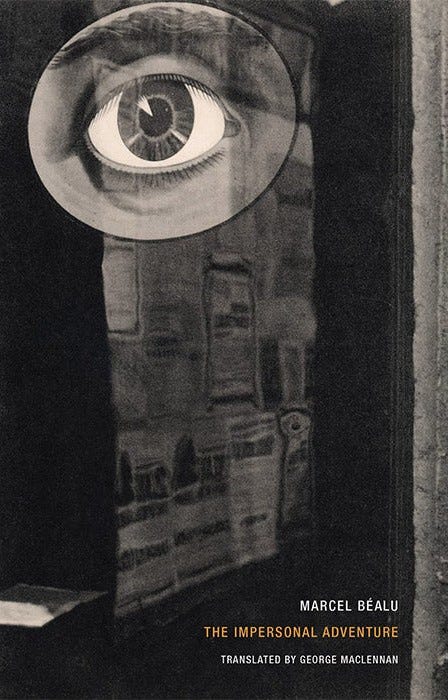
The Impersonal Adventure — by Marcel Béalu
A disorienting, de Chirico–esque detective tale of curio shops and eerie antiquities, penned in France’s postwar trauma
A traveling businessman decides to tarry in an unnamed city, dons a new name and profession on a whim, and rents a room in a hotel on an island at the city’s edge. As he wanders through the streets of unvisited storefronts and offices, he encounters a strange constellation of characters: a sinister night watchman; his spiritual half-brother, the “professor”; and a mute beauty who quickly obsesses him. They in turn lead the narrator into labyrinths of crowded curio shops and secondhand furnishers where the secrets of the island lie buried behind armoires and delirium. As the narrator pieces together the drama at the heart of the abandoned quarter, he discovers missing elements to his own biography and the role he is to play as witness to tragedy.
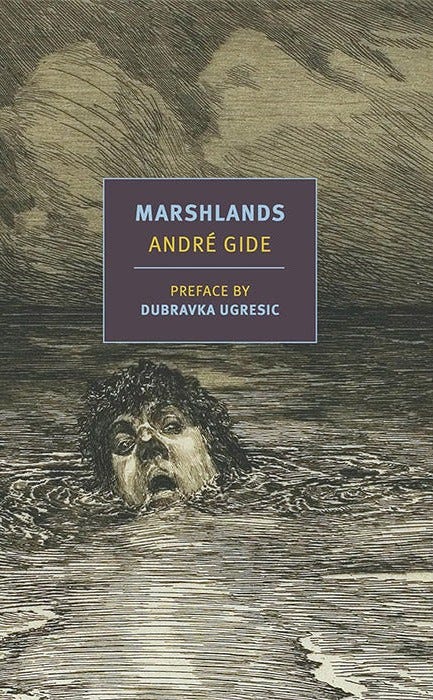
Marshlands — by André Gide
The protagonist of Marshlands is a writer who is writing a book called Marshlands, which is about a reclusive character who lives all alone in a stone tower. The narrator, by contrast, is anything but a recluse: He is an indefatigable social butterfly, flitting about the Paris literary world and always talking about, what else, the wonderful book he is writing, Marshlands. He tells his friends about the book, and they tell him what they think, which is not exactly flattering, and of course those responses become part of the book in the reader’s hand.
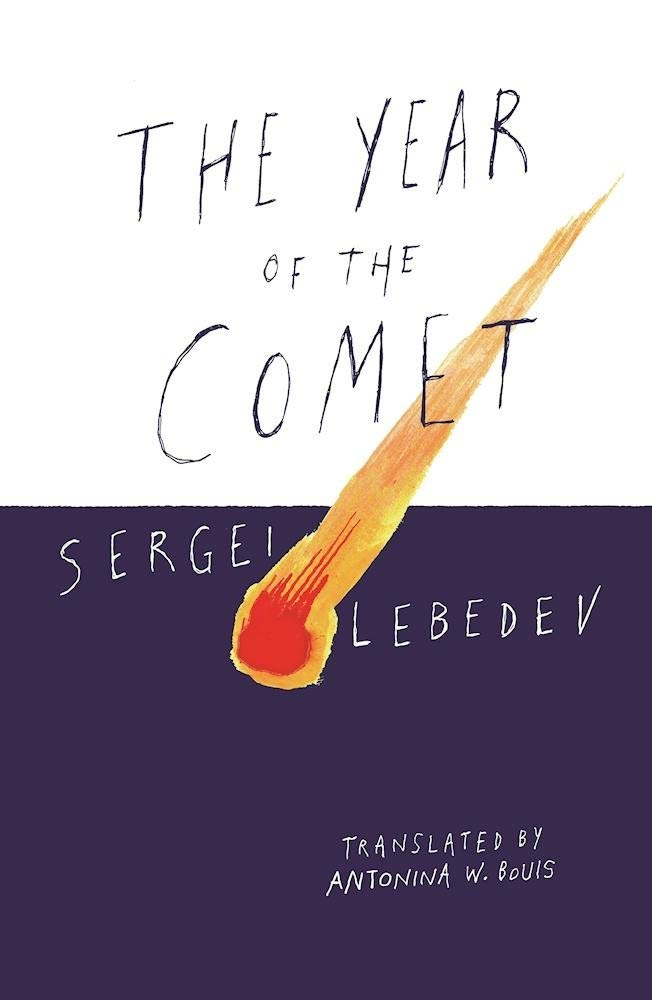
The Year of the Comet — by Sergei Lebedev
A story of a Russian boyhood and coming of age as the Soviet Union is on the brink of collapse. An idyllic childhood takes a sinister turn. Rumors of a serial killer haunt the neighborhood, families pack up and leave town without a word of warning, and the country begins to unravel. Policemen stand by as protesters overtake the streets, knowing that the once awe-inspiring symbols of power they wear on their helmets have become devoid of meaning. Lebedev depicts a vast empire coming apart at the seams, transforming a very public moment into something tender and personal, and writes with stunning beauty and shattering insight about childhood and the growing consciousness of a boy in the world.
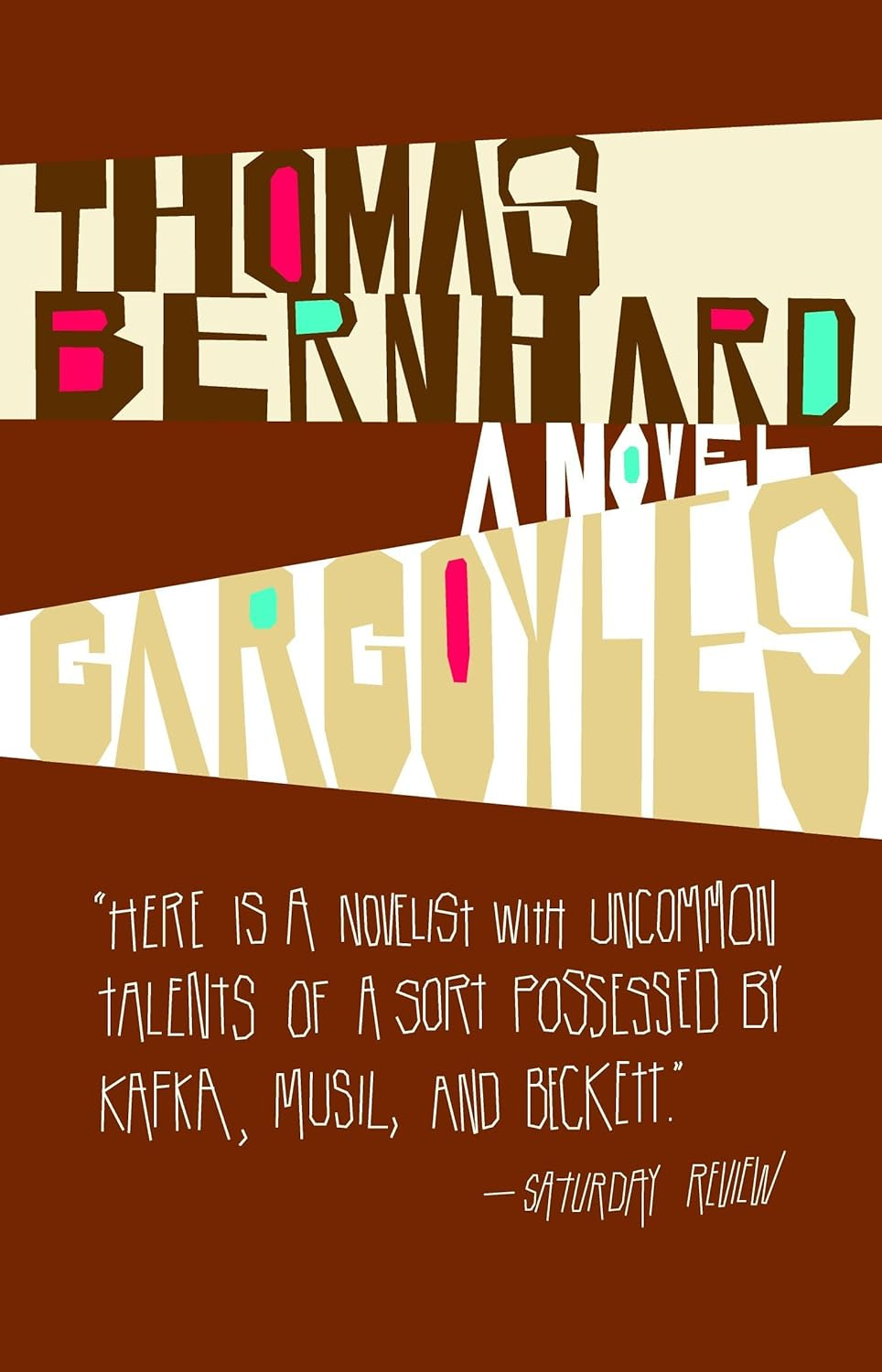
Gargoyles — by Thomas Bernhard
One morning a doctor and his son set out on daily rounds through the grim mountainous Austrian countryside. They observe the colorful characters they encounter—from an innkeeper whose wife has been murdered to a crippled musical prodigy kept in a cage—coping with physical misery, madness, and the brutality of the austere landscape. The parade of human grotesques culminates in a hundred-page monologue by an eccentric, paranoid prince, a relentlessly flowing cascade of words that is classic Bernhard.
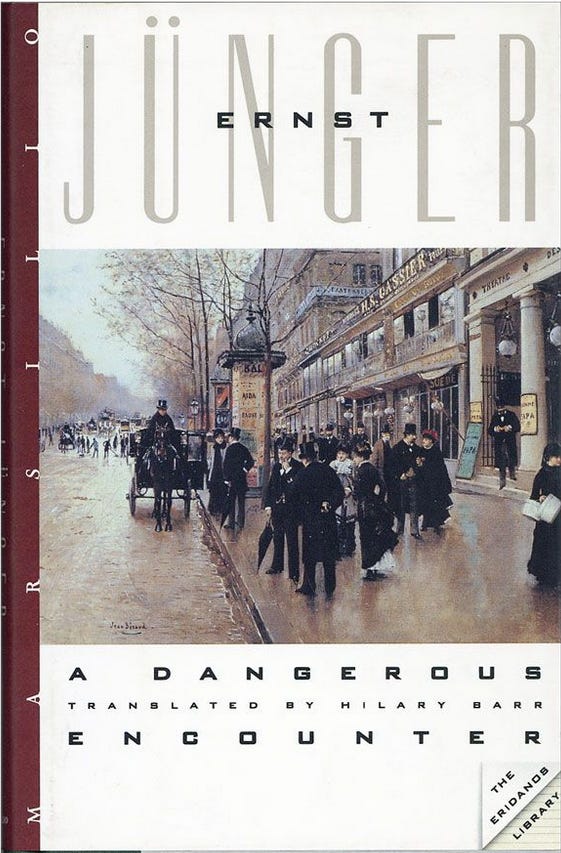
A Dangerous Encounter — by Ernst Jünger
Gerhard, a young man on the rise, is drawn into the seedy underside of Paris, where he witnesses the murder of a young ballerina.
The story is set in Paris in the late 19th century and follows a murder investigation in a decadent aristocratic environment. The book was published in English in 1993, translated by Hilary Barr. It is the final novel of the acclaimed German writer.
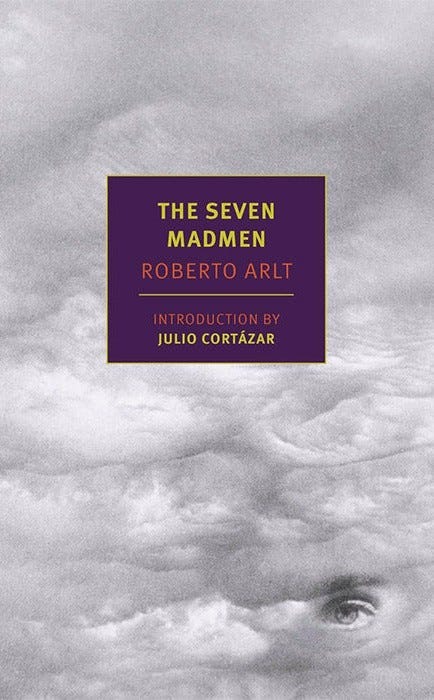
The Seven Madmen — by Roberto Arlt
A weird wonder of Argentine and modern literature, The Seven Madmen begins when its hapless and hopeless hero, Erdosain, is dismissed from his job as a bill collector for embezzlement. Then his wife leaves him and things only go downhill after that. Erdosain wanders the crowded, confusing streets of Buenos Aires, thronging with immigrants almost as displaced and alienated as he is, and finds himself among a group of conspirators who are in thrall to a man known simply as the Astrologer. The Astrologer has the cure for everything that ails civilization. Unemployment will be cured by mass enslavement. (Mountains will be hollowed out and turned into factories.) Mass enslavement will be funded by industrial-scale prostitution. That scheme will be kicked off with murder. “D’you know you look like Lenin?” Erdosain asks the Astrologer. Meanwhile Erdosain struggles to determine the physical location and dimensions of the soul, this thing that is causing him so much pain.
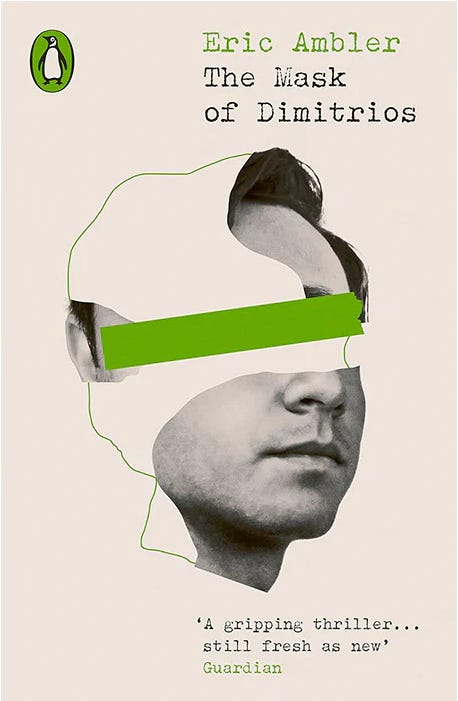
The Mask of Dimitrios — by Eric Ambler
English crime novelist Charles Latimer is travelling in Istanbul when he makes the acquaintance of Turkish police inspector Colonel Haki. It is from him that he first hears of the mysterious Dimitrios — an infamous master criminal, long wanted by the law, whose body has just been fished out of the Bosphorus. Fascinated by the story, Latimer decides to retrace Dimitrios’ steps across Europe to gather material for a new book. But, as he gradually discovers more about his subject’s shadowy history, fascination tips over into obsession. And, in entering Dimitrios’ criminal underworld, Latimer realizes that his own life may be on the line.
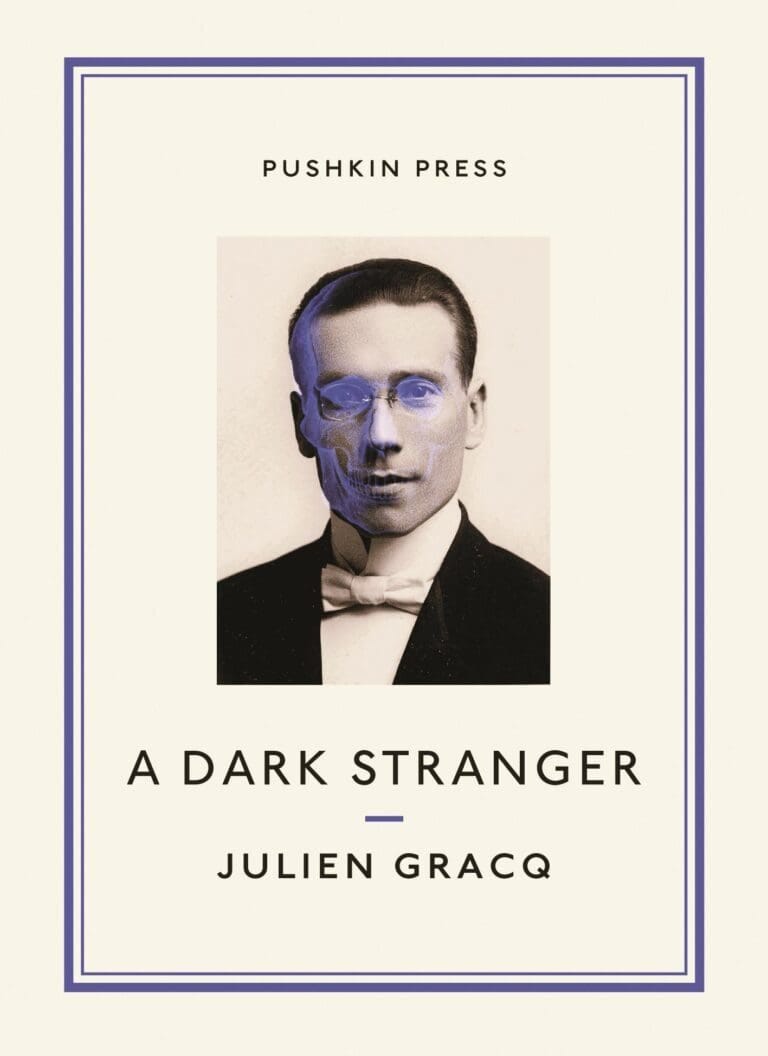
A Dark Stranger — by Julien Gracq
A 1945 novel by the French writer Julien Gracq that tells the story of an enigmatic guest whose presence at an isolated resort hotel in Brittany strangely affects a small group of fellow vacationers.
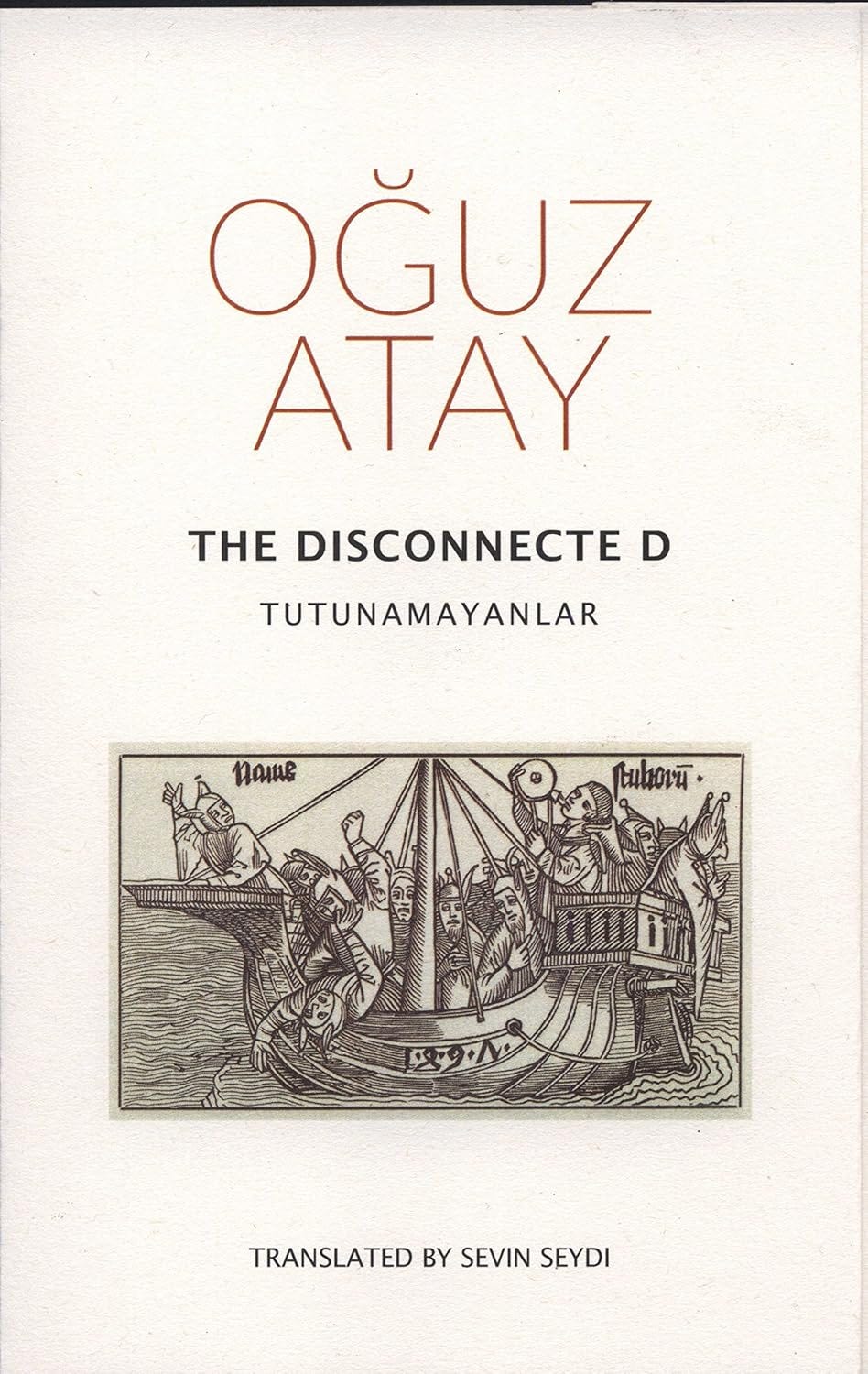
The Disconnected — by Oğuz Atay
The Disconnected was the first book of Oguz Atay (1934-1977), and was before its time. First published in 1972 it was a cult book among younger writers, but he never saw a second printing before his premature death. Since it was reprinted in 1984 it has gone through more than 70 editions, and is widely reckoned to be the most important book in modern Turkish literature.
“My life was a game, but I wanted it to be taken seriously,” says Selim, the anti-hero of the novel. But the game has a terrible end with his suicide, and his friend Turgut’s quest to understand this is the story of the book. He meets friends whom Selim had kept separate from each other, he finds documents in a kaleidoscopic variety of styles, sometimes hugely funny, sometimes very moving, as Selim rails against the ugliness of his world whether in satire or in a howl of anguish, taking refuge in words and loneliness.
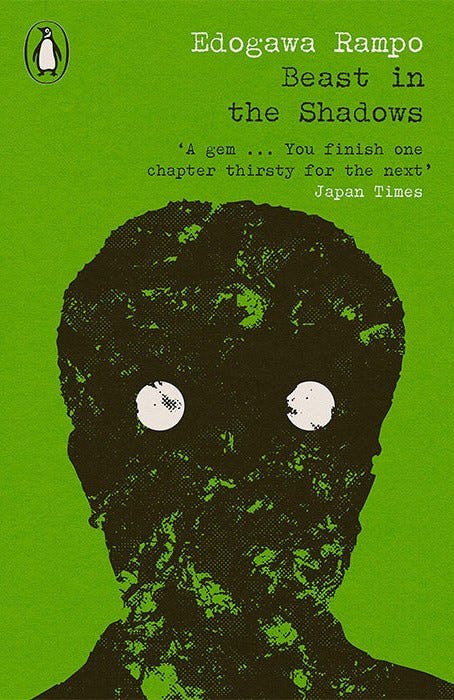
The Beast in the Shadows — by Edogawa Rampo
A reclusive writer of detective stories, Oe Shundei, has gone missing, leaving behind a suspicious trail of blackmailing letters to a former lover. Another detective novelist, his rival, is the only one who can find him. A sequence of macabre and appalling events follows.
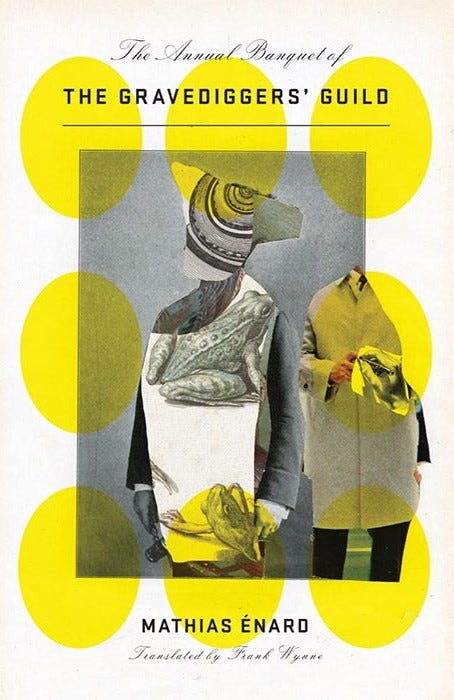
The Annual Banquet of the Gravediggers’ Guild — by Mathias Énard
To research his thesis on contemporary agrarian life, anthropology student David Mazon moves from Paris to La Pierre-Saint-Christophe, a village in the marshlands of western France. Determined to capture the essence of rurality, the intrepid scholar shuttles around on his moped to interview local residents. Unbeknownst to David, in these nondescript lands, once theatres of wars and revolutions, Death leads the dance. When an existence ends, the Wheel of Life recycles its soul and hurls it back into the world as microbe, human or wild animal, sometimes in the past, sometimes in the future. Only once a year do Death and the living observe a temporary truce, during a gargantuan three-day feast where gravediggers gorge themselves on food, libations and language. Brimming with Mathias Enard’s characteristic wit and encyclopaedic brilliance, The Annual Banquet of the Gravediggers’ Guild is a riotous novel where the edges between past and present are constantly dissolving against a Rabelaisian backdrop of excess – and a paradoxically macabre paean to life’s richness.
Independent People — by Halldór Laxness
Bjartus is a sheep farmer determined to eke a living from a blighted patch of land in rural Iceland. Nothing, not merciless weather, nor his family, will come between him and his goal of financial independence. Only Asta Solillja, the child he brings up as his daughter, can pierce his stubborn heart. As she grows up, keen to make her own way in the world, Bjartus's obstinacy threatens to estrange them forever.
The Opposing Shore — by Julien Gracq
The great maritime state of Orsenna has long been lulled by settled peace and prosperity. It is three hundred years since it was actively at war with its traditional enemy two days' sail across the water, the savage land of Farghestan - a slumbering but by no means extinct volcano. The narrator of this story, Aldo, a world-weary young aristocrat, is posted to the coast of Syrtes, where the Admiralty keeps the seas constantly patrolled to defend the demarcation between the two powers still officially at war. His duties are to be the eyes and ears of the Signory, to report back any rumours of interest to the State. Goaded, however, by his mistress, Vanessa Aldobrandi, he takes a patrol boat across the boundary to within cannon-shot of the Farghestani coastal batteries. The age-old undeclared truce is no more than a boil ripe to be lanced.
The Origin of the Brunists — by Robert Coover
The Origin of the Brunists is Robert Coover's first novel. It tells the story of Giovanni Bruno, the lone survivor of a mine disaster that killed 97 of his co-workers, and the apocalyptic cult that forms around him.
Aladdin’s Problem — by Ernst Jünger
Friedrich Baroh, is beset by problems. Anarch, aspiring entrepreneur, and amateur historian of ideas, the aristocratic Baroh is also, unfortunately, a soldier in the East German army. His eventual defection to the West leads to a college degree, marriage, and a good job at his uncle's funeral parlor, but it can't dispel Baroh's other problem, a metaphysical one: each man is alone. Since, paradoxically, this is a predicament he shares with the rest of humanity, Baroh decides to capitalize on it. He embarks on a mind-boggling and macabre enterprise - the construction of Terrestra, an international, nondenominational necropolis situated in the wastelands of Turkey. Soon, secondary businesses are called for: airlines, travel agencies, anything to make Terrestra more accessible to anyone who can afford it. His scheme is so overwhelmingly successful that Baroh is forced to take on help, including the enigmatic Phares, whose unsettling presence and gnomic utterances may, at last, help Baroh to understand the depths of the problem he has set for himself. As mordantly ironic as Evelyn Waugh's The Loved One, Aladdin's Problem is a richly poetic meditation on the rituals of death. In its prismatic complexity, its philosophical depth, Junger's half-mythical, half-political tale becomes a caustic allegory of the conditions of modern life.

Despair — by Vladimir Nabokov
Despair is the wickedly inventive and richly derisive story of Hermann, a man who undertakes the perfect crime—his own murder.
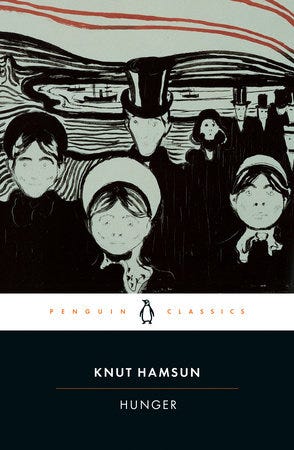
Hunger — by Knut Hamsun
One of the most important and controversial writers of the 20th century, Knut Hamsun made literary history with the publication in 1890 of this powerful, autobiographical novel recounting the abject poverty, hunger and despair of a young writer struggling to achieve self-discovery and its ultimate artistic expression. The book brilliantly probes the psychodynamics of alienation, obsession, and self-destruction, painting an unforgettable portrait of a man driven by forces beyond his control to the edge of the abyss.
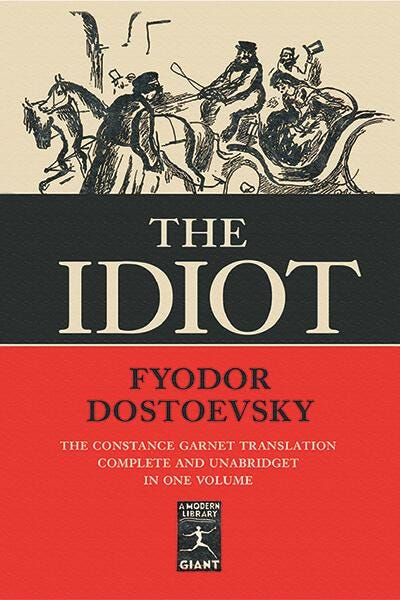
The Idiot — by Fyodor Dostoevsky
The title is an ironic reference to the central character of the novel, Lev Nikolayevich Myshkin, a young prince whose goodness, open-hearted simplicity, and guilelessness lead many of the more worldly characters he encounters to mistakenly assume that he lacks intelligence and insight. In the character of Prince Myshkin, Dostoevsky set himself the task of depicting “the positively good and beautiful man.” The novel examines the consequences of placing such a singular individual at the centre of the conflicts, desires, passions, and egoism of worldly society, both for the man himself and for those with whom he becomes involved.
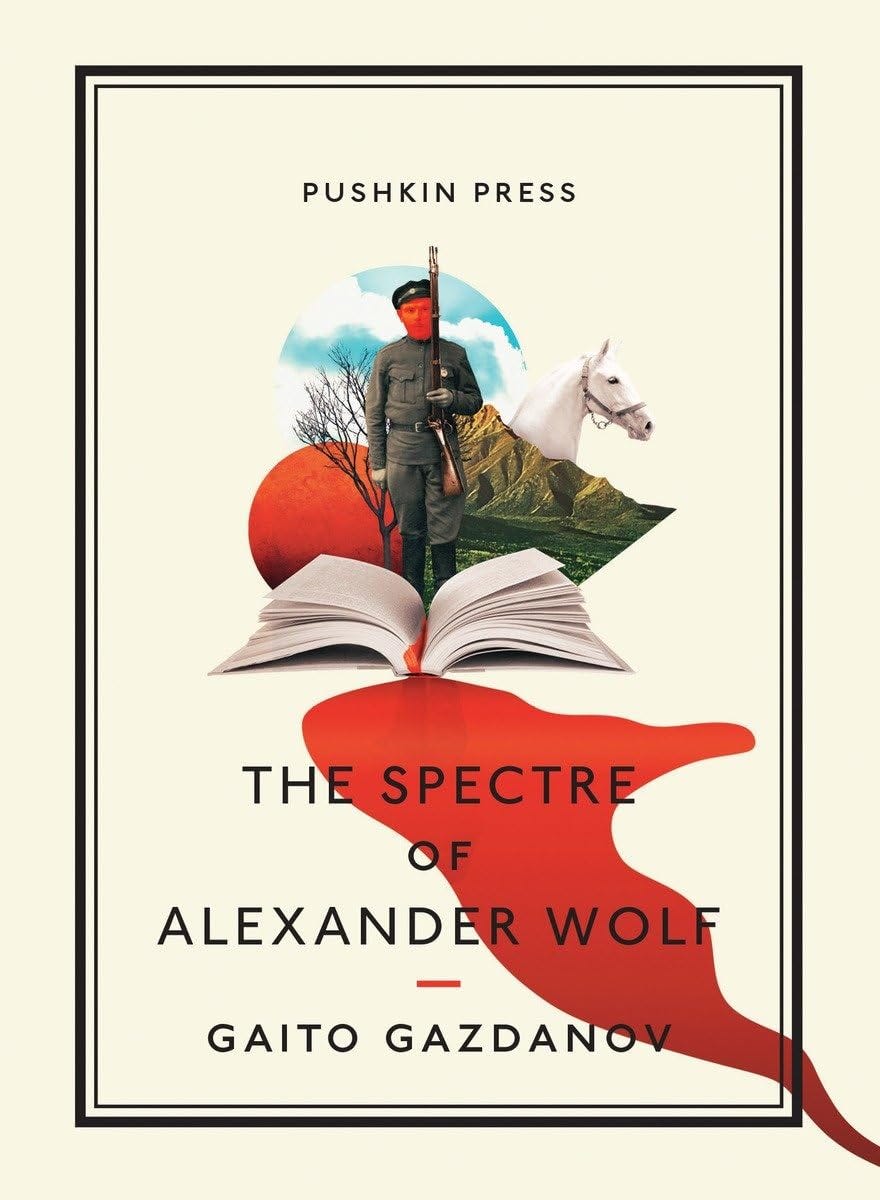
The Spectre of Alexander Wolf — by Gaito Gazdanov
A man comes across a short story which recounts in minute detail his killing of a soldier, long ago - from the victim's point of view. It's a story that should not exist, and whose author can only be a dead man.
So begins the strange quest for its elusive writer: "Alexander Wolf."
A singular classic, The Spectre of Alexander Wolf is a psychological thriller and existential inquiry into guilt and redemption, coincidence and fate, love and death.
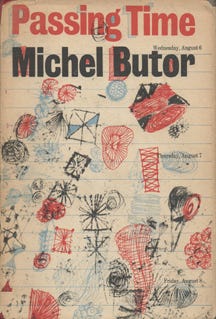
Passing Time — by Michel Butor
Frenchman Jacques Revel arrives in Bleston, an industrial city in the north of England—also a thinly disguised, reimagined Manchester—to begin employment as a shipping clerk. Lost under the spell of a dark, dank, labyrinthine metropolis, he endeavours to solve the puzzle of an attempted murder. We follow his erratic odyssey in diary form as a growing sense of unease envelops him and mysterious fires erupt throughout the city.
Passing Time, originally published in France as 'L'emploi du temps' (1956), is the great, lost Manchester novel, a book of enormous imagination and vitality. Melding Greek myth with Proustian method to formulate a brilliant study of alienation and the nebulousness of memory. A work that attempts to excavate Britain's proto-capitalist past and industrial forebears—interrogating their affect on modernity and the human soul.
Also, I’ve read Despair. Vlad really messes with his readers in that one—very different in tone and style from, say, Lolita. Good pick!
Holy schnikies, I had no idea Junger wrote fiction! If his fiction is even 1/4th as good as Storm of Steel, you won’t be disappointed.